
When temperatures in Edmonton fall to minus thirty, your furnace stops being a convenience and becomes the thing standing between your family and a very cold house. Furnaces are built to work hard, but they run for months with little attention, and cold weather is when small problems turn into failures. Regular furnace maintenance takes less time than most people expect, and it reduces the odds of a midnight breakdown, lowers heating bills, and keeps the system running safely. Here’s what to do before and during the coldest months.
Furnace Maintenance Tasks You Can Do Yourself
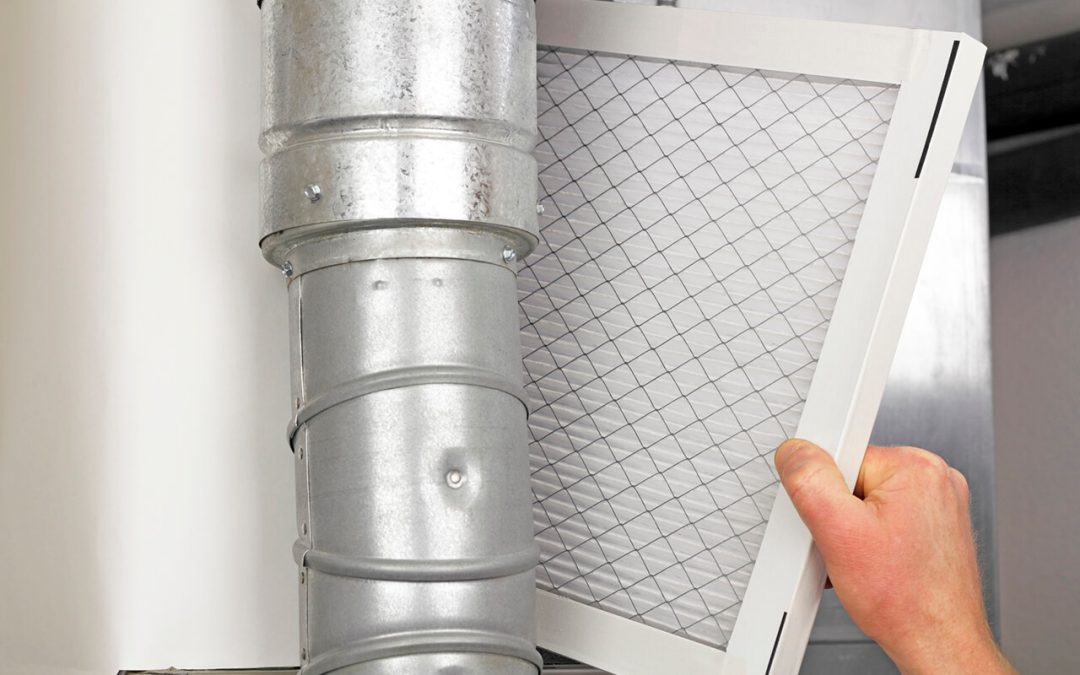
Start with the filter. Check it monthly and replace it every one to three months, since a clogged filter restricts airflow, makes the blower work harder, and can cause the furnace to overheat and shut down. Keep supply and return vents open and unblocked by furniture or rugs. Leave about a metre of clear space around the furnace, and never store paint, gasoline, aerosol cans, or rags nearby. Vacuum dust from around the unit, replace the thermostat batteries, and if you have a humidifier, replace the water panel and check the drain. Look at the burner flame through the viewing window if there is one. It should be steady and blue, and a yellow or flickering flame deserves a professional’s attention. In very cold weather, notice how long the furnace runs, since cycles that never end can point to an airflow or heat loss problem.
Keep Intake and Exhaust Pipes Clear of Frost and Snow
High-efficiency furnaces draw combustion air and exhaust gases through white plastic pipes that exit a side wall or the roof. In extreme cold, frost can build up at the terminations, and snowdrifts can bury them, which can cause the furnace to shut down or error out. Good furnace maintenance in a cold climate includes checking these pipes after storms and cold snaps, and clearing snow and frost by hand. Don’t chip at the pipes with a tool, since cracks can leak exhaust gas. Keep the area around them clear of stored items, and if the furnace keeps shutting down, call a technician rather than repeatedly resetting it.
Safety Checks That Belong in Every Furnace Maintenance Routine
Install carbon monoxide alarms on every level and near sleeping areas, test them monthly, and replace them according to the manufacturer’s schedule, which is printed on the back of each unit. Keep the batteries fresh and press the test button each month. Know the symptoms of carbon monoxide exposure, including headaches, dizziness, nausea, and flu-like feelings that improve when you leave the house. Look at the visible flue and vent connections for rust, gaps, or soot staining. A cracked heat exchanger can leak carbon monoxide, and only a professional can check it properly. Never use an oven, a barbecue, or a portable fuel heater indoors to make up for a furnace that isn’t keeping up, and know where the furnace’s emergency shutoff switch is.
Book a Professional Tune-Up and Know When to Call
An annual professional service before the heating season is the best insurance you can buy. The technician will test the burners, flame sensor, gas pressure, blower motor, electrical connections, safety controls, and venting, and clean what needs cleaning. Ask the technician to explain what they found and to leave a written summary so you can compare from year to year. Booking furnace maintenance in September or October also gets you ahead of the rush when the first deep freeze hits. A furnace typically lasts fifteen to twenty years, so keep service records and plan for replacement as it ages. Call for help right away if you notice loud banging, short cycling, rising bills, or uneven heat, and leave the house and call the gas company if you smell gas.
Frequently Asked Questions (FAQs)
How often should I change my furnace filter?
Every one to three months, and monthly during heavy use or if you have pets. Check it by eye, and replace it as soon as it looks gray and clogged.
How long does a furnace last?
Most last fifteen to twenty years with regular service. Older furnaces lose efficiency and become more expensive to repair, so plan ahead when yours is aging.
What temperature should I set if I’m away in winter?
Keep it at about 13 degrees Celsius or higher so pipes and the house stay protected, and ask someone to check on the house during extreme cold.
Why does my furnace blow cold air?
Common causes include a dirty flame sensor, an ignition problem, or a thermostat set to fan only. If resetting doesn’t help, call a professional.
Is a burning smell normal when I first turn the furnace on?
A dusty smell for the first hour is normal. A persistent burning smell, or any smell of gas, is not, so shut the furnace off and get help right away.
Overview Property Inspection offers home inspection services in Edmonton and the surrounding area. Contact us to schedule an appointment today.
Recent Comments