
Flooring is one of the most consequential decisions in any home. It covers more surface area than any other finish, affects how every room feels underfoot and visually, and represents an investment that ideally lasts for decades. Choosing the right flooring material means weighing durability, maintenance demands, moisture resistance, comfort, aesthetics, and cost in a combination that works for your specific household and your specific rooms. The good news is that today’s flooring market offers more well-performing options at more accessible price points than ever before, and understanding the key characteristics of each flooring material makes the decision considerably less overwhelming.
How to Evaluate Flooring Material for Different Rooms
Not every flooring material is appropriate for every room, and starting with the room’s specific conditions rather than a broad aesthetic preference produces better outcomes. Moisture exposure is the most critical condition to assess, bathrooms, laundry rooms, and kitchens require flooring materials that won’t absorb or be damaged by water. High-traffic areas need materials that resist scratching and wear. Bedrooms and quiet living spaces prioritize comfort and warmth over durability. Budget is an equally important variable and it should account for installation costs, not just material costs. Some beautiful flooring materials have installation requirements that can double the total project cost. Others are designed for DIY installation, significantly reducing the commitment.
Hardwood Timeless but Demanding
Solid hardwood remains the most universally desired flooring material in residential applications. It’s warm, beautiful, and the only flooring material that can be sanded and refinished multiple times over its lifespan, which can span 50 to 100 years with good care. That refinishing capability means a hardwood floor can be completely refreshed rather than replaced when it shows its age. The significant trade-offs are cost, installation complexity, and moisture sensitivity. Solid hardwood should not be installed below grade or in rooms with significant moisture exposure; it expands and contracts with humidity, and excessive moisture causes warping and cupping. It requires professional installation. Engineered hardwood is a meaningful middle ground, a real wood veneer over a stable core that resists moisture better than solid hardwood, is appropriate for below-grade installations, and delivers a nearly identical aesthetic at a somewhat lower price point.
Luxury Vinyl and Tile Flooring Material for High-Performance Spaces
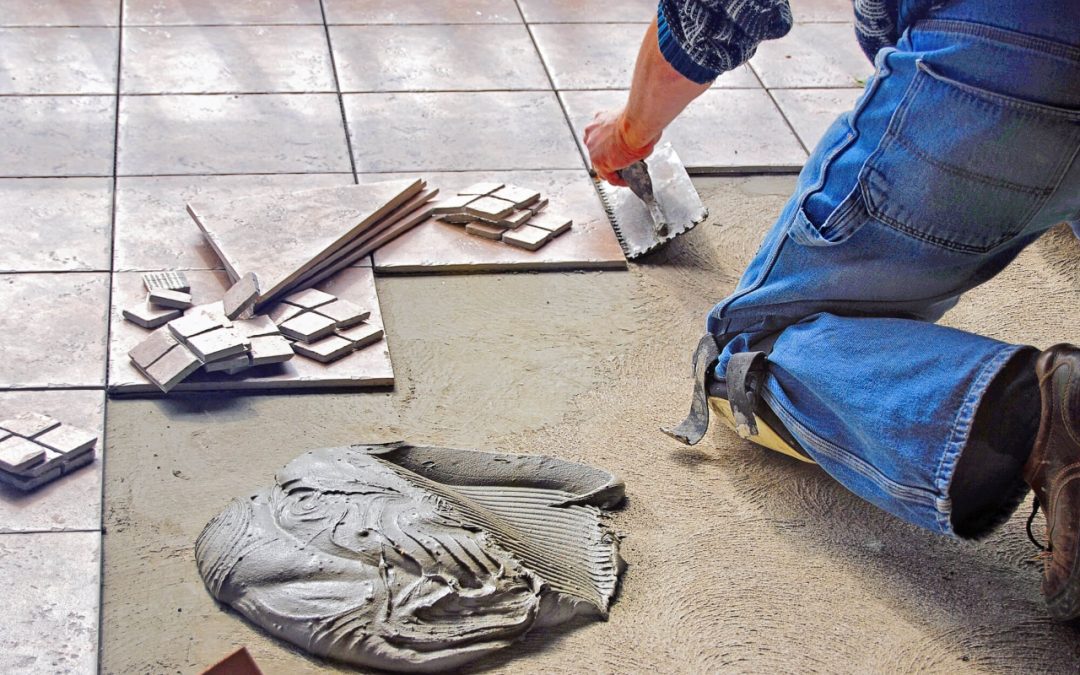
Luxury vinyl plank (LVP) and luxury vinyl tile (LVT) have transformed the flooring market by delivering water resistance, durability, and convincing wood or stone aesthetics at a significantly lower cost than the materials they emulate. This flooring material has become the dominant choice for kitchens, bathrooms, and basements where moisture resistance is the primary requirement. Modern LVP is genuinely difficult to distinguish from hardwood at a glance, and its performance characteristics are in some ways superior. It’s completely waterproof, scratch-resistant, and comfortable underfoot with an underlayment. It installs as a floating floor system that most homeowners can install themselves, reducing total project cost substantially. Ceramic and porcelain tile remain the premium choice for bathrooms and kitchens where a more upscale aesthetic is desired. Tile is the most durable and moisture-resistant flooring material available, but it requires professional installation, is cold and hard underfoot without radiant heating, and represents a significant cost commitment once labor is factored in.
Flooring Material for Comfort and Budget
Carpet remains the most popular flooring material for bedrooms and quieter living spaces, and its comfort and acoustic properties are genuinely difficult to replicate with hard flooring options. Modern carpet in quality grades performs well and lasts 10 to 15 years. It’s the most affordable flooring material per square foot when installation is factored in, and it creates the warmth and softness underfoot that many homeowners specifically want in private spaces. Laminate flooring offers a wood appearance at a lower price than hardwood or quality LVP, with moderate durability and easy DIY installation. Its primary limitation is moisture. Laminate swells and deteriorates with prolonged water exposure, making it inappropriate for bathrooms and laundry rooms. In bedrooms, offices, and low-moisture living spaces, it performs reasonably well as a budget-conscious option.
Frequently Asked Questions (FAQs)
What is the most durable flooring material for high-traffic areas?
Porcelain tile is the most durable flooring material. For areas where hard tile isn’t desired, luxury vinyl plank with a high-mil-thickness wear layer (12 mil or above) is the next most durable option with significantly more comfort underfoot.
Can I install flooring material myself or do I need a professional?
It depends on the flooring material and installation method. Luxury vinyl plank with a click-lock floating installation is the most DIY-accessible option. Laminate installs similarly. Ceramic and porcelain tile require thinset mortar, proper subfloor preparation, and grouting achievable for a skilled DIYer but demanding. Solid hardwood almost always requires professional installation to achieve the precision the material demands.
What flooring material is best for homes with pets?
Luxury vinyl plank is the most practical flooring material for pet owners, waterproof, scratch-resistant in higher grades, and easy to clean. Tile is similarly durable but cold and hard for pets to rest on.
How do I choose between LVP and hardwood flooring materials?
The decision comes down to budget, moisture conditions, and personal preference. In rooms with moisture exposure, LVP is the clear practical choice. In main living areas and bedrooms where moisture isn’t a concern, hardwood’s longevity, refinishability, and premium aesthetic make it a compelling investment for homeowners planning to stay long-term.
How much does flooring material typically cost installed?
Costs vary by material and market. Getting multiple quotes and understanding what’s included prevents budget surprises.
Overview Property Inspection offers home inspection services in Edmonton and the surrounding area. Contact us to schedule an appointment today.