
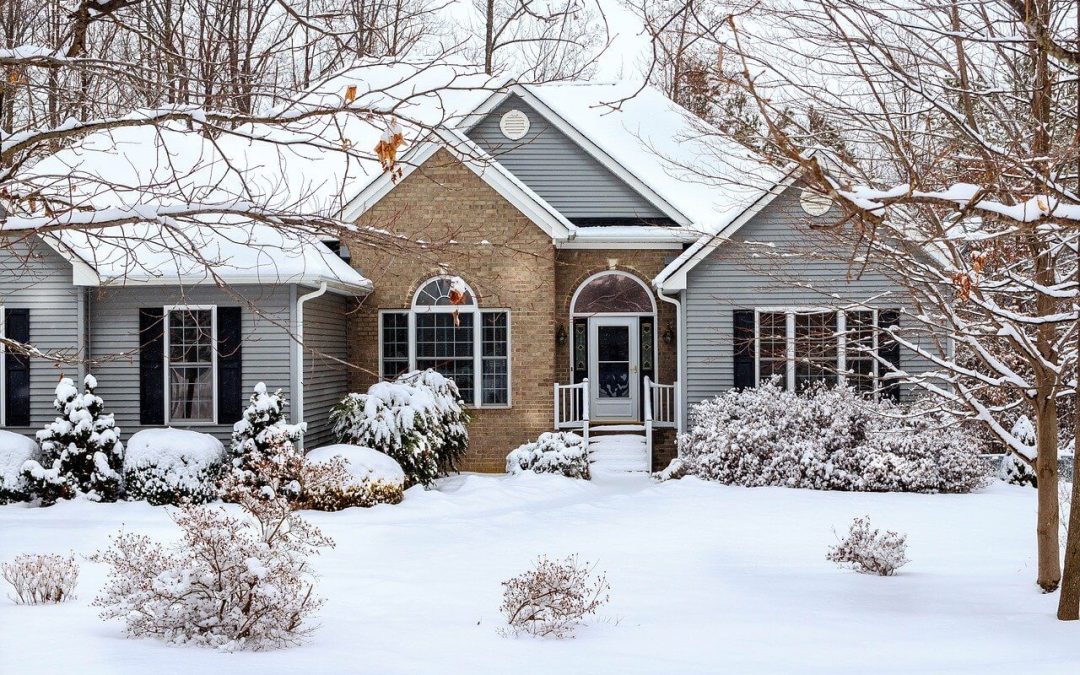
As temperatures drop and daylight hours become shorter, maintaining winter safety becomes an integral part of protecting your home and family. Cold weather brings its share of challenges, from icy walkways to strained heating systems, and being proactive could make all the difference. Winter safety is creating a warm, secure environment that helps you enjoy the season without stress. With thoughtful preparation, homeowners will prevent common seasonal hazards, stay comfortable, and protect their property from costly issues.
Preparing Your Property for Winter Safety
A key part of winter safety is ensuring your home’s exterior is ready to handle harsh weather. Begin by checking your roof for missing or lifted shingles, as winter storms can quickly turn minor issues into leaks or water damage. Gutters should be cleaned to ensure that melting snow drains properly, preventing ice dams that can cause structural damage. Walkways, driveways, and steps should be cleared of debris before the season arrives, allowing for easier maintenance once snow and ice accumulate. Your landscaping also plays a role in winter safety. Trim branches that hang over the roof or near windows because heavy snow or ice could cause them to snap. Remove or secure items that might become hazards in high winds. Preparing the outside of your home before the cold sets in allows you to focus on comfort and safety once winter weather is in full swing.
Winterizing the Inside of Your Home
Maintaining a safe interior environment is another vital part of winter safety. Start with your heating system, since it will be working much harder during the colder months. Scheduling an inspection of your heating system will help identify problems early, ensuring your system operates efficiently and safely. Changing air filters, checking vents, and verifying that your thermostat is functioning properly will significantly improve indoor comfort. This is also a great time to inspect insulation. Poor insulation will make it challenging to keep your home warm, leading to higher heating costs and potential issues like frozen pipes. Pipes located in unheated areas should be insulated to prevent them from freezing, as a burst pipe could cause extensive water damage. Fireplaces and wood stoves should be cleaned and examined to reduce the risk of chimney fires and guarantee proper ventilation.
Practicing Winter Safety Outdoors
When snow and ice arrive, outdoor winter safety becomes a daily routine. Keeping walkways and driveways clear helps prevent slips and falls, which are among the most common winter-related injuries. Using de-icing products help make paths safer, applying them early and consistently is key. If you have steps or outdoor entryways, consider adding handrails or improving lighting to increase visibility during dark winter mornings and evenings. Homeowners with steep driveways or areas prone to drifting snow may benefit from arranging snow removal services before the season begins. Planning ahead makes winter tasks easier and ensures you can keep your property accessible even during major storms. Outdoor winter safety isn’t just about preventing injuries; it also protects your home from damage caused by ice pressure, snow buildup, or water runoff.
Ensuring Indoor Comfort and Emergency Preparedness
Along with physical maintenance, winter safety includes preparing for unexpected weather events. Power outages are more common in winter due to heavy snow, ice, and wind, so creating a simple emergency plan is a smart move. Ensure you have backup lighting, fully charged devices, and emergency supplies in case you experience a power outage lasting several hours. If you use space heaters, make sure they are placed safely away from flammable items and never left unattended. Maintaining good indoor air quality while staying warm is an essential part of winter safety. If your home stays sealed tight during cold weather, you will want to incorporate ventilation when possible to reduce moisture buildup and improve air circulation. Doing so will help prevent mold growth and maintain a healthier environment throughout the season.
Frequently Asked Questions (FAQs)
How often should I service my heating system for winter safety?
Scheduling an annual inspection before winter weather begins ensures your system is working efficiently and safely when you need it most.
What can I do to prevent ice dams on my roof?
Clean gutters, improve attic insulation, and ensure proper ventilation to reduce the heat escaping onto your roof.
How do I prevent the risk of slips and falls outside my home?
Keeping walkways clear and applying de-icer regularly are simple ways to improve outdoor safety.
Why is insulation important for winter safety?
Sound insulation helps maintain warm indoor temperatures, reduces energy costs, and protects pipes from freezing.
Overview Property Inspection offers home inspection services in Edmonton and the surrounding area. Contact us to schedule an appointment today.