
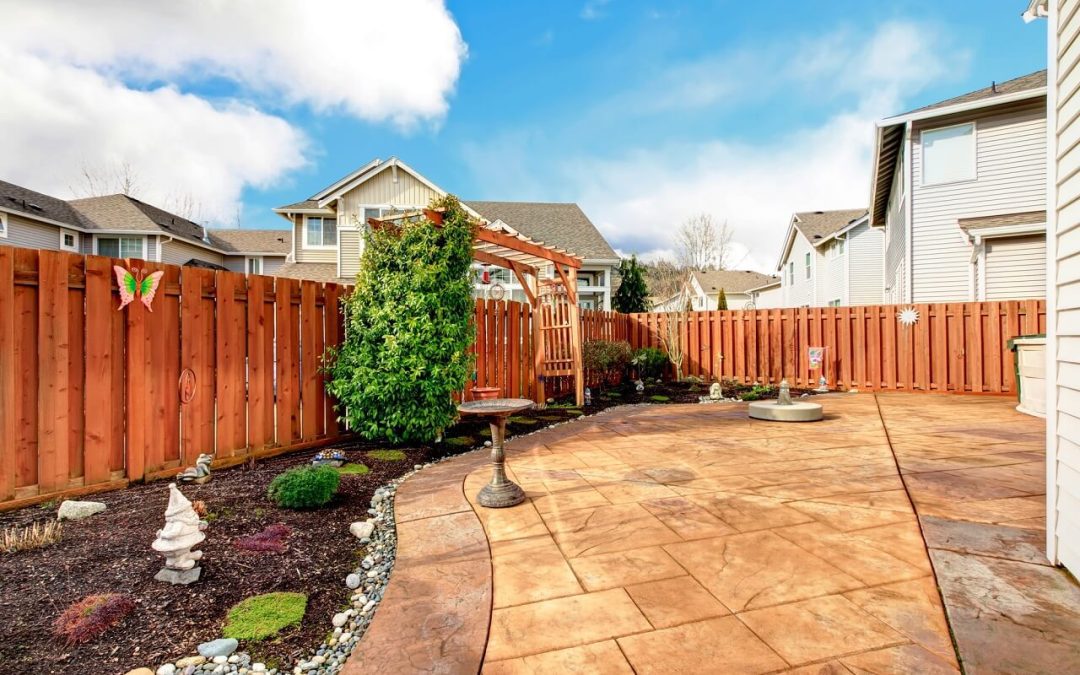
Outdoor spaces have become an important extension of the home. Instead of simply maintaining lawns and gardens, many homeowners are transforming their yards into functional, beautiful environments. One of the most effective ways to do this is through hardscaping. The benefits of hardscaping go far beyond aesthetics, offering practical improvements that enhance how outdoor spaces are used, maintained, and enjoyed.
Hardscaping refers to the non-living elements of landscaping, such as patios, walkways, retaining walls, fire pits, stone pathways, and outdoor kitchens. These features provide structure and purpose to outdoor areas while complementing the natural landscape. When thoughtfully designed, hardscaping could turn an ordinary yard into a versatile and inviting space that adds lasting value to a property.
The Benefits of Hardscaping for Outdoor Functionality
One of the biggest benefits of hardscaping is the way it improves the functionality of a yard. Many outdoor spaces are underused simply because they lack structure or designated areas for activities. Hardscaping solves this problem by creating purposeful spaces that make outdoor living more practical. For example, a patio can serve as an outdoor dining room, while a stone pathway makes it easier and safer to move through the yard. Retaining walls could transform sloped areas into usable terraces and outdoor seating areas that encourage gatherings with family and friends. By defining different areas within the yard, hardscaping helps homeowners maximize their outdoor space. In addition, hardscaping will improve accessibility. Well-designed walkways and steps create clear routes through the landscape, making it easier to navigate the yard in all seasons.
Benefits of Hardscaping for Property Value
Another important advantage to consider is how the benefits of hardscaping could positively impact property value. Homes with thoughtfully designed outdoor spaces often attract more interest from potential buyers. A well-built patio, stylish walkway, or elegant stone retaining wall could make a strong first impression. Hardscaping elements tend to have a long lifespan when installed properly, which means they continue to add value for many years. Buyers often appreciate outdoor features that are already in place because they represent both convenience and investment. In many cases, outdoor improvements enhance curb appeal. Attractive stonework, decorative pathways, and visually appealing entryways create a polished look that elevates the entire property.
The Benefits of Hardscaping for Low-Maintenance Landscaping
Traditional landscaping often requires ongoing care, including mowing, watering, fertilizing, and trimming. While plants and lawns are beautiful, they also demand consistent attention. Hardscaping significantly reduces the amount of upkeep required in outdoor spaces. Stone patios, pavers, gravel paths, and retaining walls require minimal maintenance compared to large grassy areas. This makes hardscaping particularly appealing for homeowners who want a beautiful yard without spending hours maintaining it. Reducing lawn areas also helps lower water usage. In regions where water conservation is important, incorporating hardscaping features contributes to more sustainable landscaping practices.
Improved Drainage and Soil Protection
Hardscaping can also play an important role in managing water flow and protecting soil. Features such as retaining walls, pavers, and strategically designed pathways can help control erosion and prevent soil from washing away during heavy rain. Properly installed hardscaping will direct water away from the home’s foundation and prevent pooling in certain areas of the yard. This not only protects the landscape but could also help reduce potential damage to structures. In sloped yards, terraces and retaining walls provide stability while creating additional usable space. This combination of practicality and design is one reason hardscaping has become such a popular landscaping solution.
Year-Round Enjoyment of Outdoor Spaces
Many homeowners want outdoor spaces they can use throughout the year. Hardscaping makes this possible by creating comfortable environments that are suitable for multiple seasons. Fire pits, outdoor fireplaces, and covered patios will extend the use of outdoor areas well beyond the summer months. Even simple additions such as paved seating areas or pergolas will create inviting spaces for relaxation, entertaining, or quiet evenings outside. By incorporating hardscaping features, homeowners can enjoy their yards in ways that go far beyond basic landscaping.
Frequently Asked Questions (FAQs)
What is the difference between landscaping and hardscaping?
Landscaping typically refers to the living elements of a yard, such as plants, trees, grass, and flowers. Hardscaping focuses on the non-living components like patios, walkways, retaining walls, and stone features.
Are hardscaping projects expensive?
Costs vary depending on materials, design complexity, and project size. However, many homeowners view hardscaping as a long-term investment because it increases property value and reduces maintenance costs over time.
How long does hardscaping last?
When installed properly using durable materials like stone, brick, or concrete pavers, hardscaping features can last for decades with minimal maintenance.
Can hardscaping work in small yards?
Yes, even small outdoor spaces can benefit from hardscaping. Features like compact patios, stepping-stone paths, and built-in seating could make small yards feel more functional and visually appealing.
Does hardscaping replace plants and greenery?
Not necessarily. The most effective outdoor designs combine both hardscaping and soft landscaping. Hardscaping provides structure, while plants add color, texture, and natural beauty.
Overview Property Inspection offers home inspection services in Edmonton and the surrounding area. Contact us to schedule an appointment today.